
A new market forecast projects the global unbleached softwood kraft pulp market will grow from USD 1.6 billion in 2025 to USD 2.4 billion by 2035, achieving a Compound Annual Growth Rate (CAGR) of 4.1%. This significant expansion signals a profound industry shift, where manufacturers across food and beverage, pharmaceuticals, and e-commerce are increasingly turning to sustainable, high-performance materials to meet evolving consumer preferences and strict regulatory requirements. The market’s trajectory is a clear indication that unbleached softwood kraft pulp is no longer just a raw material, but a cornerstone of modern, eco-conscious manufacturing.
To Gain More Insights about this Research, Visit! https://www.futuremarketinsigh....ts.com/reports/unble
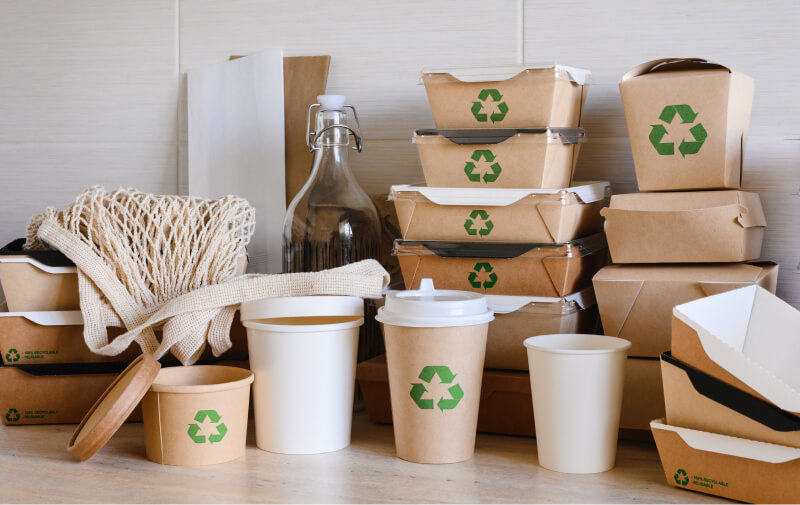
This growth is fundamentally tied to the rising global demand for sustainable and biodegradable packaging. The increasing environmental awareness among consumers and corporations is compelling a transition away from traditional, less sustainable materials. Companies are not just adopting these materials to be compliant but are also actively investing in them to align with sustainability goals, as evidenced by Mondi plc's strategic acquisition of Hinton Pulp mill in 2024. This move underscores a collective commitment to improving productivity, sustainability, and integrating sustainable pulp solutions into future growth strategies, particularly in the Americas.
Performance Without Compromise: The Power of Virgin Pulp
For manufacturers, the adoption of a sustainable material cannot come at the expense of performance. The unbleached softwood kraft pulp market addresses this directly, with virgin unbleached softwood kraft pulp projected to account for a dominant 48.6% of the global market in 2025. This material is highly favored for its superior tensile strength and long fiber characteristics, which are essential for producing durable paper-based packaging. Its high purity and minimal chemical treatment not only reduce environmental impact but also enable better recyclability, a key consideration for the circular economy.