








Vhearts Vhearts
    #seo #socialmedia #seoservice #digitalmarketer #usaaccounts
    उन्नत खोज
  • लॉग इन करें
  • पंजीकरण करवाना

  • रात का मोड
  • © {तारीख} Vhearts
    के बारे में • निर्देशिका • संपर्क करें • डेवलपर्स • गोपनीयता नीति • उपयोग की शर्तें • धनवापसी • Verified • Spam FAQ

    चुनना भाषा

  • Arabic
  • Bengali
  • Chinese
  • Croatian
  • Danish
  • Dutch
  • English
  • Filipino
  • French
  • German
  • Hebrew
  • Hindi
  • Indonesian
  • Italian
  • Japanese
  • Korean
  • Persian
  • Portuguese
  • Russian
  • Spanish
  • Swedish
  • Turkish
  • Urdu
  • Vietnamese

घड़ी

घड़ी चलचित्र

आयोजन

घटनाओं को ब्राउज़ करें मेरे कार्यक्रम

ब्लॉग

लेख ब्राउज़ करें

बाज़ार

नवीनतम उत्पाद

पृष्ठों

मेरे पन्ने पसंद किए गए पृष्ठ

अधिक

मंच अन्वेषण करना लोकप्रिय लेख खेल नौकरियां ऑफर फंडिंग
घड़ी आयोजन बाज़ार ब्लॉग मेरे पन्ने सभी देखें
Sagar Shetty
User Image
आवरण स्थिति बदलने के लिए खींचें
Sagar Shetty

Sagar Shetty

@Sagar
  • समय
  • समूहों
  • को यह पसंद है
  • मित्र 0
  • तस्वीरें
  • वीडियो
  • उत्तर
  • उत्पादों
0 मित्र
38 पदों
पुरुष
में रहने वाले India
Sagar Shetty
Sagar Shetty
2 में

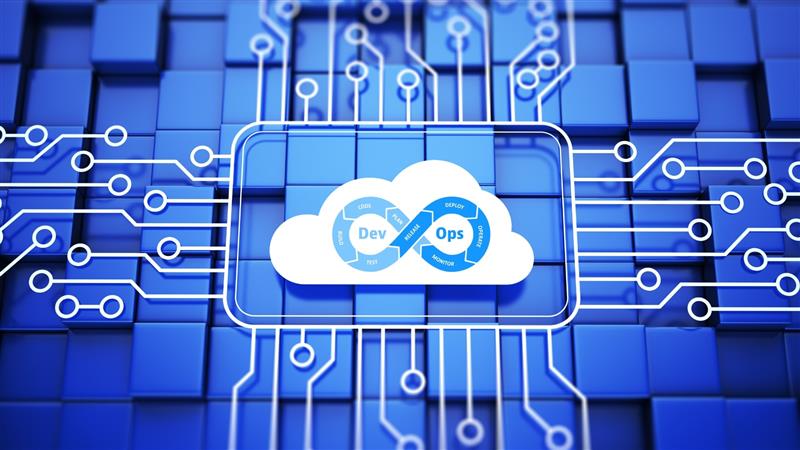
DevOps and AI: Exploring the Shift in 2026 Even though artificial intelligence is reshaping how DevOps work gets done, it isn’t replacing the discipline or the professionals behind it. What’s changing is how DevOps teams operate, not whether they exist.
At its core, DevOps is a culture and set of practices that brings software development and IT operations closer to improve speed, quality, and reliability. It includes automation, continuous integration/continuous delivery (CI/CD), monitoring, infrastructure as code, and a strong focus on collaboration. These fundamentals are still highly relevant in 2026.

How AI is Impacting DevOps
What AI is doing in DevOps is mostly automation and augmentation, not replacement. AI tools now help with tasks that used to take a lot of manual effort:
• Generating and optimizing CI/CD pipelines
• Predicting failures and performance issues before they happen
• Analyzing logs and metrics at scale
• Automating incident response and even self-healing infrastructure
• Improving security checks and compliance
These capabilities save time and reduce human error, but they don’t eliminate the need for skilled professionals to guide, validate, and improve the processes.
Why DevOps Engineers Still Matter
DevOps engineers will not be replaced because the work involves more than running tools. Their role includes:
Architecture and strategy: deciding how systems are designed and how teams collaborate.
Governance and quality standards: defining what quality means and ensuring AI-generated output meets those criteria.
Problem solving and context: interpreting insights and making decisions that AI can’t reliably make on its own.
This shift mirrors industry sentiment that AI changes jobs rather than eliminates them. Analysts note that tasks shift toward coordination and oversight rather than pure production work.

Conclusion:
AI is transforming DevOps workflows, making them faster and more efficient. But it isn’t a substitute for the discipline itself or the professionals who make DevOps work. DevOps isn’t being replaced in 2026. Instead, it’s evolving into a smarter, more collaborative practice where engineers and AI systems work together.
Organizations and professionals who focus on learning AI-enabled tools and modern DevOps practices are the ones most likely to thrive

https://www.fusion-institute.c....om/is-devops-replace
Is DevOps Replaced by AI in 2026?
Favicon 
www.fusion-institute.com

Is DevOps Replaced by AI in 2026?

Is DevOps replaced by AI in 2026? Learn what AI can automate, what it cannot replace, and how to future-proof your DevOps career in the AI era.
पसंद करना
टिप्पणी
शेयर करना
Sagar Shetty
Sagar Shetty
3 में

A Comprehensive Guide to the Four Pillars of Data Analytics
In today’s data-driven world, organizations that use analytics effectively gain an edge in decision making, strategy and performance. Data analytics is more than just collecting information. It’s about turning raw data into meaningful insights that help answer key business questions. There are four core types of analytics that every business should understand: descriptive, diagnostic, predictive and prescriptive.1. Descriptive Analytics
What it is: Descriptive analytics tells you what has happened. It takes raw data and summarizes it so you can see patterns, trends and performance outcomes.
How it’s used:
• Generating regular reports like monthly sales, revenue trends or customer engagement statistics.
• Creating dashboards that show key performance indicators (KPIs) at a glance.
• Tracking historical results to establish a factual baseline for future planning.
2. Diagnostic Analytics
What it is: Diagnostic analytics digs into the data to explain “why something happened.” It goes beyond just reporting results and explores relationships, patterns and underlying causes.
How it’s used:
• Identifying reasons for drops in performance or spikes in demand.
• Examining correlations between variables that could explain outcomes.
• Segmenting data to uncover hidden drivers.
3. Predictive Analytics
What it is: Predictive analytics answers “what might happen next?” It uses historical data combined with statistical models and machine learning to forecast future outcomes.
How it’s used:
• Forecasting sales or demand for products.
• Anticipating customer churn or credit risk.
• Identifying likely trends in supply chain performance.

4. Prescriptive Analytics
What it is: Prescriptive analytics goes one step further by recommending actions that improve outcomes. It combines predictions with optimization techniques to suggest the best possible decisions.
How it’s used:
• Recommending optimal delivery routes in logistics to reduce costs.
• Suggesting marketing strategies based on future customer behavior.
• Guiding resource planning in healthcare or manufacturing.

These four analytics types build on one another. Descriptive gives you the story of what happened. Diagnostic explains why it happened. Predictive forecasts what could happen next. Prescriptive tells you what to do about it. Successful analytics programs often integrate all four to support strategic decisions, operational improvements and future planning.
https://www.fusion-institute.c....om/what-are-the-4-ty

What Are the 4 Types of Data Analytics? Uses, Examples, and Applications
Favicon 
www.fusion-institute.com

What Are the 4 Types of Data Analytics? Uses, Examples, and Applications

Learn the 4 types of data analytics - descriptive, diagnostic, predictive, and prescriptive - with examples, use cases, and career insights.
पसंद करना
टिप्पणी
शेयर करना
Sagar Shetty
Sagar Shetty
4 में

Mastering DevOps in 90 Days: A 2026 Roadmap
DevOps continues to be one of the most sought-after career paths in tech. In 2026, the role has evolved, the toolchain has expanded, and expectations are higher than ever. If you’re wondering whether it’s possible to learn DevOps in three months, the short answer is yes — but with some important conditions on goals, commitment, and learning strategy.
What “Learn DevOps” Really Means
DevOps isn’t a single technology. It’s a set of practices, culture, and tools that help teams build, test, deploy, and monitor software efficiently. A full DevOps engineer role touches on cloud platforms, automation, system administration, continuous integration and delivery, containers, monitoring, security and more.
Because of that scope, three months isn’t enough to master everything. What is realistic in that timeframe is gaining a strong foundation, understanding core concepts, and completing a few key hands-on projects that show you know how to apply what you learned.
What You Can Achieve in 90 Days
With a structured plan and daily effort, you can complete the basics that most employers expect for entry-level or junior roles. That includes:
1. Core Concepts
Start with understanding what DevOps is, why it matters, and how development and operations teams work together. Learn the mindset of automation, collaboration, and continuous improvement.
2. Version Control
Git and platforms like GitHub or GitLab are essential. You need to be fluent with commits, branches, merges, pull requests and basic collaboration workflows.
3. Linux and Scripting
Most DevOps tasks run on Linux servers. Knowing basic Linux commands, shell scripting, and terminal skills sets you up for automation and troubleshooting.
4. Containers
Docker is typically the first container platform you learn. It’s critical for packaging applications in a way that makes deployment predictable.
5. CI/CD Basics
Learn how to automate software builds and deployments with tools like Jenkins, GitHub Actions, or GitLab CI. Understanding pipelines is a core skill in DevOps.
6. Cloud Introduction
Start with one cloud provider (AWS, Azure or Google Cloud). Focus on compute, storage, identity and networking basics.
7. A Capstone Project
In the final weeks, put everything together. Build a simple application, containerize it, set up a CI/CD pipeline, deploy on cloud, and add basic monitoring. This project becomes your portfolio piece when applying for jobs.
What Comes After 3 Months
Once you finish your initial learning path, you’ll be ready for junior DevOps or cloud-focused roles, internships, or part of cross-functional teams. But growth doesn’t stop there. True mastery in areas like Kubernetes, advanced automation, infrastructure as code (Terraform), security, and large-scale systems comes with ongoing learning and real-world experience.
Ready to start your DevOps journey?
Get hands-on training, real projects, and career support with industry-focused DevOps courses.
Call : 7498992609 | 7058987273
Take the first step toward a future-ready DevOps career today.
https://www.fusion-institute.c....om/can-you-learn-dev

Can You Learn DevOps in 3 Months in 2026?
Favicon 
www.fusion-institute.com

Can You Learn DevOps in 3 Months in 2026?

Can you learn DevOps in 3 months in 2026? Explore skills, roadmap, projects, time commitment & career scope with expert DevOps training guidance.
पसंद करना
टिप्पणी
शेयर करना
Sagar Shetty
Sagar Shetty
4 में

Navigating AWS Careers: Discover the Highest Paying Roles in 2026

Cloud computing continues to shape the future of technology, and Amazon Web Services (AWS) remains a leader in that space. Businesses of all sizes rely on AWS to scale, secure data, and run applications across the globe. That means skilled AWS professionals are in demand, and many roles offer strong earnings and clear growth paths into 2026 and beyond.
Why AWS Skills Matter
AWS is one of the most widely adopted cloud platforms worldwide. Organizations across sectors use AWS for infrastructure, data services, security, and machine learning. That ongoing growth makes AWS expertise one of the most valuable skill sets in tech. People with AWS credentials often have access to roles with excellent salary potential and opportunities for advancement.
Top AWS Jobs You Should Consider
Here’s a rundown of key roles that are expected to be among the most valuable and well-paid in AWS careers in 2026:
1. AWS Solutions Architect
Solutions architects design cloud infrastructure that meets performance, security, and cost goals. They work closely with engineering teams and business stakeholders to translate requirements into scalable AWS solutions. This role consistently ranks among the highest paid in AWS careers.
2. Cloud DevOps Engineer
DevOps engineers bridge development and operations. They automate deployments, manage CI/CD pipelines, and keep infrastructure stable and scalable. With businesses pushing for faster releases and reliable systems, DevOps skills are in high demand.
3. AWS Cloud Engineer
Cloud engineers handle the day-to-day technical work on AWS: provisioning resources, optimizing performance, and implementing security best practices. They work across services like EC2, S3, Lambda, and more, making this a versatile and well-paid job path.
4. Cloud Security Specialist
Security is a top priority as more data moves to the cloud. AWS security specialists focus on protecting infrastructure and applications from threats. Their expertise in encryption, compliance, and access control is increasingly valuable.
5. Cloud Data Engineer
Data engineers build and manage the systems that store and process data in the cloud. With AWS tools like Redshift, Athena, and Glue, they turn raw data into insights. This role appeals to professionals who enjoy analytics and system design.
Skills That Will Boost Your AWS Career
To thrive in AWS, focus on:
• AWS certifications (from foundational to professional levels).
• Hands-on cloud projects and real infrastructure experience.
• Knowledge of networking, security, and automation tools.
• Programming skills (Python, Bash, or PowerShell).
• Understanding containerization and DevOps practices.
Ready to take the next step in your cloud career?
Enroll in our AWS course today and start shaping your future in cloud computing.
📞 Call us now: 7498992609 or 7058987273

read : https://www.fusion-institute.c....om/which-job-is-best

Which Job Is Best in AWS in 2026? High-Paying Roles & Career Path
Favicon 
www.fusion-institute.com

Which Job Is Best in AWS in 2026? High-Paying Roles & Career Path

Which AWS job is best in 2026? Explore high-paying roles, career paths, salaries, and how Fusion Software Institute makes you job-ready faster.
पसंद करना
टिप्पणी
शेयर करना
Sagar Shetty
Sagar Shetty
6 में

Mastering Cloud Computing: A Byte-Sized 3-Month Journey in 2026

Cloud computing remains one of the most in-demand tech skills as we move deeper into 2026. Organizations everywhere are shifting infrastructure and services to cloud platforms, and the market for cloud professionals continues to grow rapidly.
What “learning cloud computing” really means
Cloud computing isn’t a single tool or language. It’s a broad field that includes:
• Understanding core concepts like Infrastructure as a Service (IaaS), Platform as a Service (PaaS), and Software as a Service (SaaS)
• Working with at least one major provider such as AWS, Azure, or Google Cloud
• Gaining hands-on experience with services (compute, storage, networking, security)
• Building simple real-world projects and understanding how cloud fits into business environments
A focused three-month plan can get you through the fundamentals and give you practical exposure to cloud services. What’s important is structuring that time with clear milestones and consistent effort.

What affects your timeline
• Technical background: If you already understand basic networking, Linux, or software development, you’ll get through fundamentals faster.
• Time commitment: Immersive study (10+ hours weekly) accelerates learning. Part-time learners might spread their progress over more than three months.
• Learning resources: Structured courses with labs and mentors help more than random videos or guides.
A sample three-month plan
To make progress efficiently, divide your learning into focused blocks:
• Month 1: Fundamentals
Learn the key concepts and cloud models. Choose one cloud provider and understand how its core services work.
• Month 2: Hands-on labs
Use the provider’s free tier to practice launching services, configuring networking, and managing storage.
• Month 3: Project and certification prep
Build a simple real-world project. Start preparing for an entry-level certification to validate your knowledge.
This structure helps you move from theory to real-world skills quickly.
Join our AWS Cloud Computing course and learn from industry experts with practical labs, real use cases, and certification support.
Contact us now: 9503397273 | +91 9890647273.

https://www.fusion-institute.c....om/can-you-learn-clo

Can You Learn Cloud Computing in 3 Months in 2026?
Favicon 
www.fusion-institute.com

Can You Learn Cloud Computing in 3 Months in 2026?

Learn cloud computing in 3 months in 2026 with a structured AWS learning path. Discover skills, career scope, and training options in Pune.
पसंद करना
टिप्पणी
शेयर करना
और पोस्ट लोड करें

unfriend

क्या आप वाकई मित्रता समाप्त करना चाहते हैं?

इस प्रयोक्ता की जानकारी दें

ऑफ़र संपादित करें

टियर जोड़ें


एक छवि चुनें
अपना स्तर हटाएं
क्या आप वाकई इस स्तर को हटाना चाहते हैं?

समीक्षा

अपनी सामग्री और पोस्ट बेचने के लिए, कुछ पैकेज बनाकर शुरुआत करें। मुद्रीकरण

वॉलेट से भुगतान करें

भुगतान चेतावनी

आप आइटम खरीदने वाले हैं, क्या आप आगे बढ़ना चाहते हैं?

भुगतान वापस करने का अनु्रोध करें