
Forum
The Importance of Education for Global Understanding

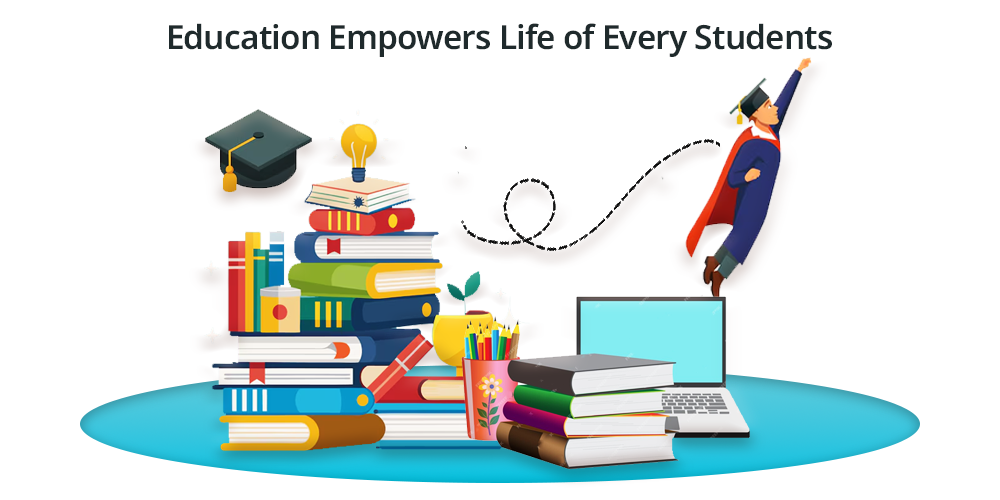
Education is one of the most powerful tools for personal growth and social development. It shapes individuals, strengthens communities, and drives economic and technological progress. In today’s rapidly changing world, education is not only a basic human right but also a foundation for building a fair, informed, and prosperous society.
Education as a Tool for Personal Development
At the individual level, education helps people develop knowledge, skills, values, and critical thinking abilities. Through education, individuals learn how to read, write, communicate, and solve problems. These skills are essential for making informed decisions in everyday life.
Education also builds confidence and independence. A well-educated person is better equipped to understand the world, express ideas clearly, and adapt to new situations. Beyond academics, education teaches discipline, responsibility, creativity, and ethical behavior, which are important qualities for personal success.
Role of Education in Economic Growth
Education plays a vital role in economic development. A skilled and educated workforce ineducationngr.com creases productivity, innovation, and competitiveness. Countries that invest in education tend to experience lower unemployment rates and higher standards of living.
In the modern economy, many jobs require specialized knowledge and technical skills. Education prepares individuals for these careers and enables them to contribute meaningfully to the economy. It also encourages entrepreneurship, helping people create new businesses and employment opportunities.
Education and Social Equality
One of the most important functions of education is promoting social equality. Education provides opportunities for people from different backgrounds to improve their lives. When access to quality education is fair and inclusive, it helps reduce poverty, discrimination, and social inequality.
Educated citizens are more likely to participate in democratic processes, respect human rights, and contribute positively to society. Education fosters tolerance and understanding by exposing learners to different cultures, ideas, and perspectives.
Education in the Digital Age
The digital age has transformed the way education is delivered and accessed. Online learning platforms, digital classrooms, and educational technologies have made learning more flexible and accessible. Students can now learn anytime and anywhere, expanding opportunities beyond traditional classrooms.
However, this transformation also brings challenges, such as the digital divide and the need for digital literacy. Modern education systems must adapt by teaching not only academic subjects but also technological skills, media awareness, and lifelong learning habits.
Conclusion
Education is the cornerstone of individual success and societal progress. It empowers people, strengthens economies, and promotes equality and peace. As the world continues to evolve, investing in quality education for all is essential. By valuing and improving education, societies can build a better future for current and future generations.


