
Forum
Eco-Conscious Solar Contractor Delivering Renewable Energy Solutions

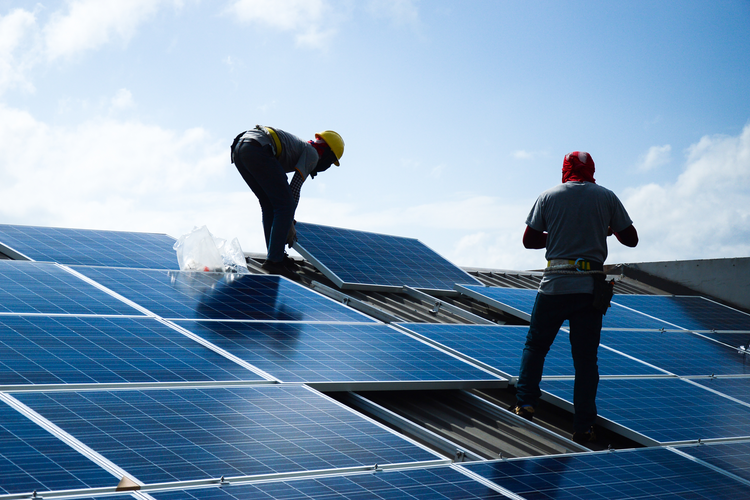
As the world faces rising energy demands and growing concerns about climate change, solar panels have emerged as one of the most promising solutions for clean and renewable energy. By converting sunlight into electricity, solar panels offer an environmentally friendly alternative to fossil fuels while helping households, businesses, and governments reduce energy costs and carbon emissions.
What Are Solar Panels?
Solar panels are devices made up of photovoltaic (PV) cells that capture sunlight and convert it into electricity. These cells are usually made from silicon, a semiconductor material that generates an electric current when exposed to light. When multiple panels are connected together, they form a solar power system capable of supplying electricity for homes, offices, factories, and even entire communities.
How Do Solar Panels Work?
The process begins when sunlight hits the surface of a solar panel. The PV cells absorb this energy, causing electrons to move and generate direct current (DC) electricity. An inverter then converts this DC electricity into alternating current (AC), which is the type of electricity used by most appliances and electrical grids. Any excess energy produced can be stored in batteries or sent back to the grid, depending on the system setup.
Benefits of Solar Panelsgreypanels
One of the greatest advantages of solar panels is their positive impact on the environment. Solar energy is clean, renewable, and produces no greenhouse gas emissions during operation. This helps reduce air pollution and slows the effects of climate change.
Solar panels also offer significant economic benefits. After the initial installation cost, sunlight is free, which can lead to substantial savings on electricity bills over time. In many regions, governments provide tax credits, subsidies, or net metering programs that make solar energy even more affordable.
Additionally, solar panels increase energy independence. By generating electricity locally, households and businesses become less reliant on traditional power sources and less vulnerable to rising energy prices or power outages.
Types of Solar Panels
There are three main types of solar panels commonly used today:
Monocrystalline panels – Made from a single crystal structure, these panels are highly efficient and durable, but usually more expensive.
Polycrystalline panels – Made from multiple silicon crystals, they are slightly less efficient but more affordable.
Thin-film panels – Lightweight and flexible, these panels are easier to install but generally have lower efficiency and shorter lifespans.
Each type has its own advantages, and the best choice depends on budget, available space, and energy needs.
Challenges and Limitations
Despite their many benefits, solar panels do have some limitations. Their energy production depends on sunlight, which means efficiency can be reduced on cloudy days or at night. Energy storage systems, such as batteries, can address this issue but add to the overall cost.
The initial installation cost can also be high, although prices have dropped significantly in recent years. Maintenance, however, is minimal, usually limited to occasional cleaning and system checks.
The Future of Solar Energy
Advancements in solar technology continue to improve efficiency, affordability, and energy storage capabilities. Innovations such as solar roofs, floating solar farms, and improved battery systems are expanding the possibilities of solar power. As investment and research grow, solar panels are expected to play a major role in the global transition to sustainable energy.
Conclusion
Solar panels represent a powerful step toward a cleaner, more sustainable future. By harnessing the sun’s energy, they provide an effective solution to environmental challenges while offering long-term economic and energy security benefits. As technology continues to advance, solar power is set to become an increasingly vital part of the world’s energy landscape.


