
Forum
Key Refractory Products Used in the Tundish System of Continuous Casting

1. Introduction
In modern continuous casting steelmaking, the tundish is not merely an intermediate vessel between the ladle and the mold; it is a metallurgical reactor that plays a crucial role in steel cleanliness, temperature control, and flow optimization. To achieve these objectives, a series of functional refractory products are installed in and around the tundish. These refractory items must operate under extreme conditions, including high temperature, aggressive molten steel and slag, thermal shock, erosion, and chemical corrosion. 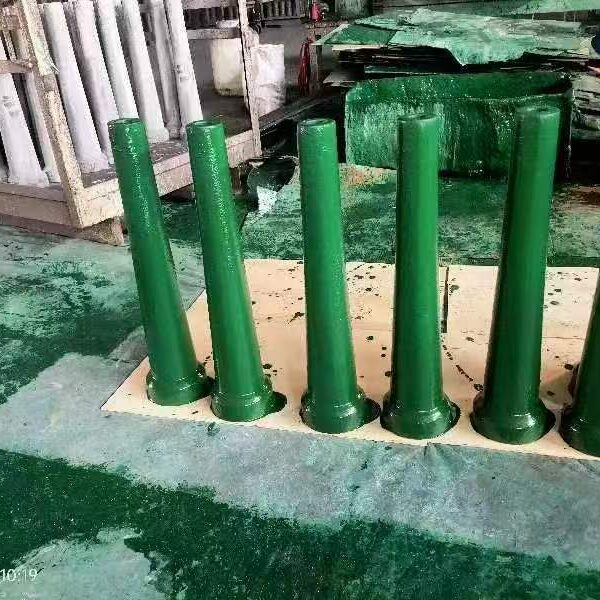
Among the most critical tundish-related refractories are the ladle shroud, stopper rod, seating block, and associated flow-control components such as tundish nozzles and https://hyrefr.com/product/submerged-entry-nozzle/ (SENs). Each of these items performs a specific function and must be designed with appropriate material composition, structure, and performance characteristics.
This article provides a detailed technical overview of these key refractory products, focusing on their functions, materials, working conditions, failure mechanisms, and performance requirements.
2. Ladle Shroud
2.1 Function of thehttps://hyrefr.com/product/ladle-shroud/
The ladle shroud is a tubular refractory component installed between the ladle slide gate and the tundish impact zone. Its primary function is to protect the molten steel stream from reoxidation and nitrogen pickup during transfer from the ladle to the tundish.
Key functions include:
Creating a closed pouring system
Preventing air aspiration and secondary oxidation
Reducing inclusion formation
Stabilizing the steel flow into the tundish
Minimizing temperature loss
The ladle shroud is especially critical in the production of clean steels, such as automotive grades, IF steels, and bearing steels.
2.2 Materials and Structure
Ladle shrouds are typically manufactured from high-purity alumina-based or zirconia-containing refractories. Common material systems include:
Al₂O₃–C (alumina-carbon)
Al₂O₃–ZrO₂–C
ZrO₂–C (for high-end applications)
Key material requirements:
High thermal shock resistance
Excellent resistance to steel and slag corrosion
Low wettability with molten steel
High mechanical strength at elevated temperature
Carbon is often added to improve thermal shock resistance and reduce steel adhesion, while zirconia enhances corrosion resistance and dimensional stability.
2.3 Failure Mechanisms
Typical failure modes of ladle shrouds include:
Oxidation of carbon at high temperature
Erosion by high-velocity steel stream
Cracking due to thermal shock
Joint leakage caused by improper gasket sealing
Advanced ladle shrouds may incorporate anti-oxidation coatings and optimized inner bore designs to extend service life.
3. Stopper Rod
3.1 Role of the Stopper Rod in Tundish Flow Control
The stopper rod is a critical flow-control refractory used in tundishes equipped with stopper-controlled casting systems. By moving vertically, the stopper rod regulates the flow rate of molten steel from the tundish to the mold through the tundish nozzle.
Main functions:
Precise control of steel flow
Stable casting speed
Quick response during start and end of casting
Emergency shut-off capability
Compared with slide gate systems, stopper rods offer finer flow control and are widely used in slab and bloom casting.
3.2 Stopper Rod Construction and Materials
A typical stopper rod assembly consists of:
Stopper head (tip) – directly contacts molten steel
Rod body – connects the head to the actuator
Protective coatings or sleeves
Material systems for stopper heads commonly include:
Al₂O₃–C
Al₂O₃–ZrO₂–C
MgO–C (for specific steel grades)
The stopper head must exhibit:
Excellent erosion resistance
High thermal shock resistance
Minimal steel adhesion
Dimensional stability during long casting sequences
The rod body is often made from dense alumina or fiber-reinforced refractories, sometimes protected by insulating sleeves.
3.3 Wear and Failure Issues
Common problems include:
Erosion of stopper tip leading to unstable flow
Build-up of alumina inclusions
Cracking due to repeated thermal cycling
Misalignment with the seating block
Advanced stopper designs optimize tip geometry and material gradients to improve service life and flow stability.
4. Seating Block
4.1 Function of the Seating Block
The seating block (also known as the upper nozzle block) is installed at the bottom of the tundish and serves as the mounting interface between the tundish lining and the tundish nozzle.
Its primary functions include:
Supporting the tundish nozzle
Ensuring precise alignment with the stopper rod
Providing a tight seal to prevent steel leakage
Withstanding high mechanical and thermal stresses
Although relatively small in size, the seating block is a critical safety component.
4.2 Material Characteristics
Seating blocks are typically produced from high-density, high-strength refractory materials, such as:
Dense alumina
Alumina-spinel composites
Alumina–zirconia materials
Key performance requirements:
High compressive strength
Excellent thermal shock resistance
Minimal deformation at casting temperature
Good compatibility with nozzle and tundish lining materials
The bore accuracy and surface flatness of the seating block are extremely important for leak-free operation.
4.3 Failure Risks
Potential issues include:
Cracking caused by thermal gradients
Steel leakage due to poor machining tolerance
Chemical attack from aggressive slags
Misalignment leading to uneven stopper wear
Precision manufacturing and proper installation practices are essential to avoid these problems.
5. Other Important Tundish Refractory Items
5.1 Tundish Nozzle
The tundish nozzle is installed below the seating block and guides molten steel into the mold or SEN. It must resist:
Severe erosion
Chemical attack
Clogging by non-metallic inclusions
Common materials include Al₂O₃–C and ZrO₂–C, often with anti-clogging additives.
5.2 Sub-Entry Nozzle (SEN)
The SEN connects the tundish to the mold and controls steel delivery into the mold cavity. It plays a vital role in:
Mold flow pattern control
Slag entrainment prevention
Surface quality improvement
Zirconia-based SENs are widely used due to their superior corrosion resistance.
5.3 Impact Pad
Installed in the tundish impact zone, the impact pad absorbs the kinetic energy of incoming steel from the ladle shroud, reducing lining erosion and turbulence.
Materials are usually:
High-alumina castables
Spinel-containing refractories
5.4 Dams and Weirs
These flow-control refractories optimize steel residence time and inclusion flotation. They are usually made from insulating or alumina-based materials and are often disposable.
6. Integration and System Performance
The performance of tundish refractories should not be evaluated individually but as a complete functional system. Proper matching of ladle shroud, stopper rod, seating block, and nozzles ensures:
Stable casting
Improved steel cleanliness
Reduced breakout risk
Lower refractory consumption
Advanced steel plants increasingly work with https://hyrefr.com/ to develop system-based solutions rather than standalone products.
7. Conclusion
Refractory products such as the ladle shroud, stopper rod, and seating block are indispensable components of the tundish system in continuous casting. Each item serves a distinct function, yet all must work together under extreme thermal, chemical, and mechanical conditions.
With the increasing demand for clean steel, longer casting sequences, and higher productivity, the design and material selection of tundish refractories continue to evolve. Innovations in composite materials, anti-oxidation technologies, and precision manufacturing are pushing the performance of these refractory items to new levels.
3 Balasan

SEO WORK·

Lilly work·


