In the wake of ChatGPT’s newly unveiled image-generation capability, millions have flocked to recreate images with the enchanting aesthetic of Studio Ghibli, causing user activity to hit unprecedented levels. This viral trend has not only increased user engagement but also temporarily stretched OpenAI’s infrastructure. Subsequent to the release, social media platforms saw an influx of AI-generated imagery that mirrors the artistry of Studio Ghibli, celebrated for classics like Spirited Away and My Neighbor Totoro. Statistical data from Similarweb highlights that ChatGPT's weekly active users soared past 150 million, marking a novel pinnacle for the year.
Sam Altman, OpenAI's CEO, noted a phenomenal rise, with the chatbot gaining one million new users within a single hour in early April. This impressive growth happened faster than the initial five-day span required for the original text-focused ChatGPT's launch. Data from SensorTower corroborates this surge, indicating increases across weekly active users, downloads, and in-app revenue—all achieving record stats post the introduction of GPT-4o’s image-generation features. Compared to late March, there’s been an 11% increase in downloads, a 5% boost in active users, and a 6% spike in revenue.
The heightened demand briefly led to disruptions in service availability, sparking warnings from OpenAI about potential delays and sporadic service hiccups due to capacity constraints. Concerns have also been raised about the legal ramifications of AI-generated content in the style of Studio Ghibli. Legal experts warn that although styles aren’t typically protected by copyright, the close imitation of a distinctive artistic approach might enter a precarious legal space.
The conversation around these legal implications is further fueled by past remarks of Studio Ghibli co-founder Hayao Miyazaki, who voiced clear skepticism about AI-generated art, expressing in 2016 that he found such technology distasteful and incompatible with his work. OpenAI has yet to disclose if their image-generation model was specifically trained on content resembling Ghibli’s animations.
User privacy also enters the spotlight amid this growing trend. Christoph C. Cemper, founder of AI prompt management firm AIPRM, alerts users to the potential risks involved when uploading photos for artistic modification. Users could inadvertently give away biometric data—namely, their facial representations—to AI tools which may then store, use, or even sell this data to third parties. OpenAI’s privacy policy states the platform collects personal information and user data, including uploaded images, which are used to refine future AI models unless a user deliberately opts out or requests data erasure through their settings.
Still, once a picture is shared, the risk of its misuse remains. As Cemper points out, this data could be susceptible to leaks, scraping, or improper use in scams such as identity theft or deepfakes, a concern underscored by past incidents where personal images ended up in public AI datasets. Additionally, legal anxieties extend to how AI-generated videos and images could infringe on copyrights. Legal advisors caution that replicating the styles of iconic studios like Ghibli could be deemed derivative under copyright law, depending on how precisely the artwork copies recognizable elements.
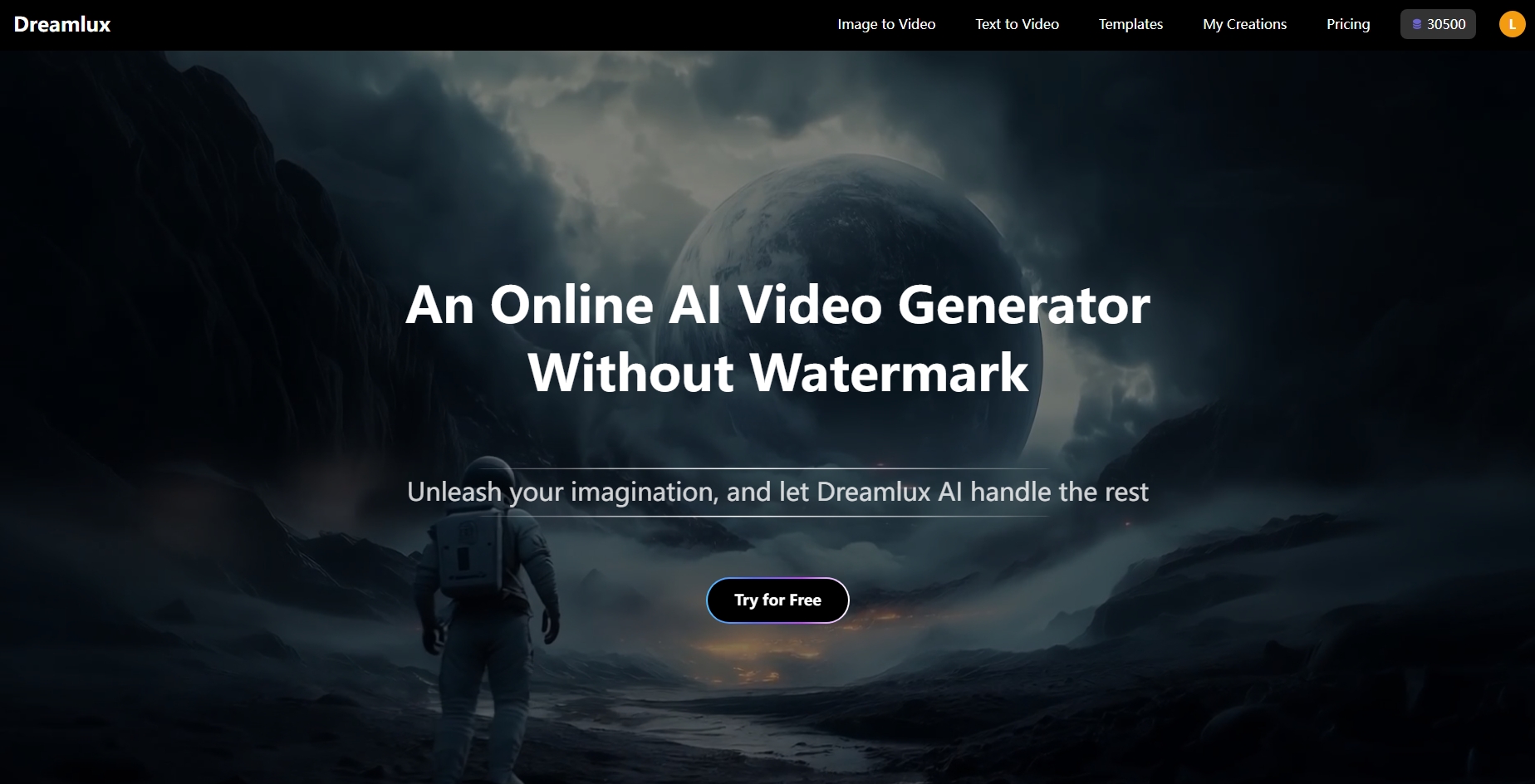
Meanwhile, the keyword “ChatGPT Studio Ghibli” has reportedly seen a search spike of 1,200%, indicating a growing interest. However, this creativity boom is tempered by significant concerns about privacy, copyright, and data security, emphasizing the need for users to consider potential risks before engaging with AI art generators. Importantly, users may explore the benefits of an ai picture to video (https://dreamlux.ai/image-to-video-ai) tool, which allows seamless transition from static images to dynamic video formats.
The Future of AI in Video Content Creation
Videos are one of the most powerful content formats today. Whether you’re a content creator, entrepreneur, educator, or business owner, videos help you engage with your audience. But creating high-quality videos is often time-consuming and expensive.
Here’s why AI video generator (https://dreamlux.ai) like Dreamlux are a game-changer:
• Saves Time: Create professional videos in minutes.
• Cost-Effective: No need for expensive software or professional video editors.
• No Watermark: Many free AI video generators place watermarks, making your content look less professional. Dreamlux offers watermark-free video creation at no cost!
• User-Friendly: No design or technical skills? No problem. Just type your text, choose a template, and let AI do the rest.
• Customization: Add text, animations, voiceovers, and stock media for a polished, studio-quality look.
Why Choose Dreamlux Image to Video AI (https://dreamlux.ai/image-to-video-ai)?
There are many AI video tools available, but Dreamlux stands out for several reasons:
• No Watermarks: Unlike many AI tools, Dreamlux provides clean, professional videos without any distracting logos or watermarks.
• Fast & High-Quality Output: Dreamlux generates smooth, visually appealing videos in minutes.
• User-Friendly: No advanced editing skills required! Just enter a prompt and upload an image, and the AI takes care of the rest.
图片: https://fluenty.turingsynimage....s.work/seo/image.jpe
How to use Dreamlux to generate AI videos from Images?
Follow the steps to convert your images to video at Dreamlux.ai:
• Go to Dreamlux.ai (https://dreamlux.ai)
• Select "Image to Video", upload an image, and then enter a prompt.
• Click the create button and let Dreamlux’s AI create your video.
• Download & Share – Once your video is ready, download it in high quality—without any watermarks!